
Sash vs Casement Windows: Which Suits a Period Devon Home?
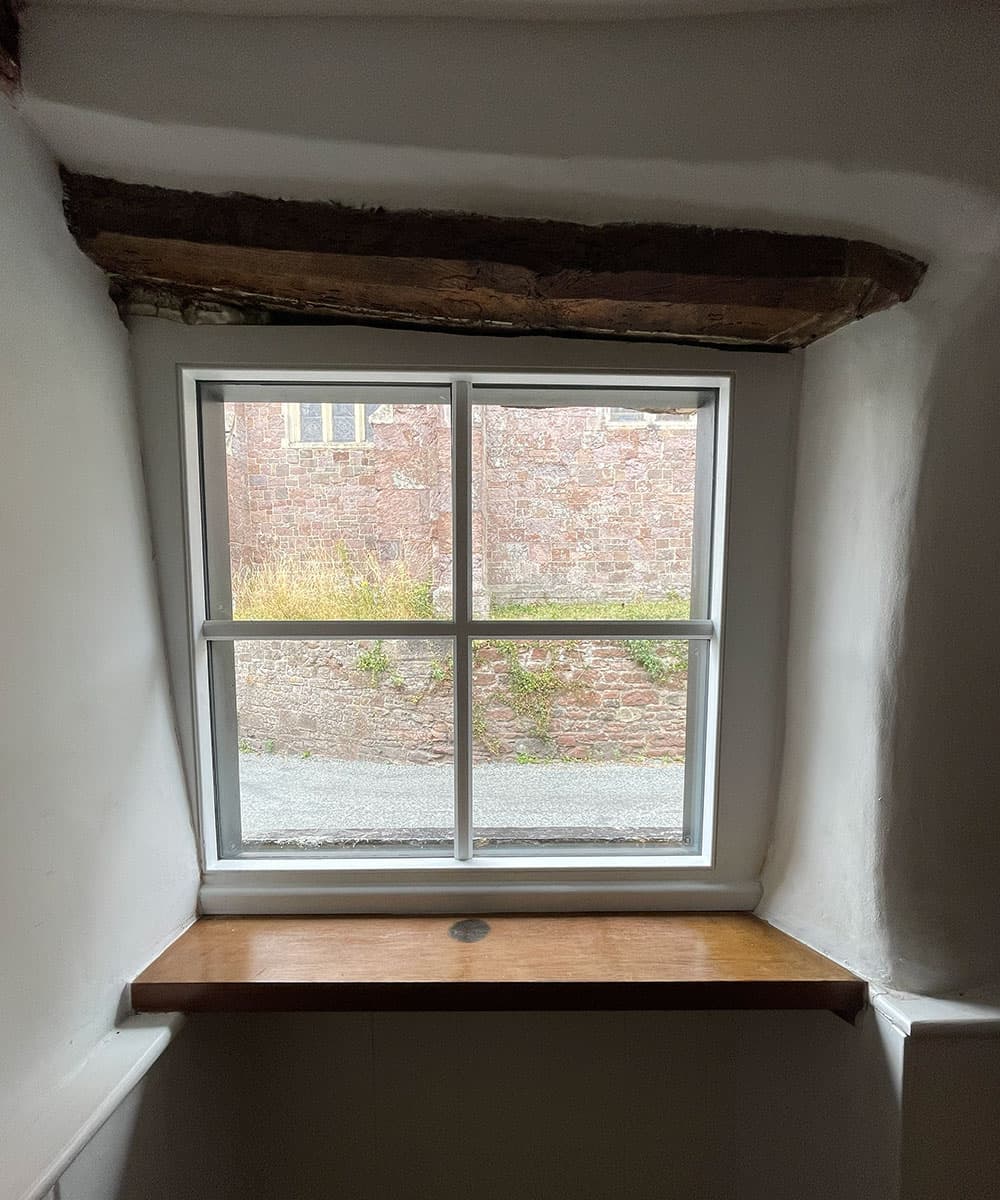
Ask most people to picture an old English house and they will picture sash windows. Tall, elegant, divided into panes, sliding vertically in a box frame. It is such a fixed image that homeowners often assume a period property must have them, and that replacing anything else would be a betrayal of the building.
It is not that simple. Plenty of period Devon homes were built with casements and always had them. Getting this right matters, because windows are one of the few decisions that changes both how a house looks from the street and how it feels to live in, and they are expensive to get wrong.
What actually separates the two
A sash window slides. Two glazed panels, called sashes, move vertically past each other in a boxed frame, counterbalanced by weights on cords or by spiral springs. Nothing swings into the room or out over the garden.
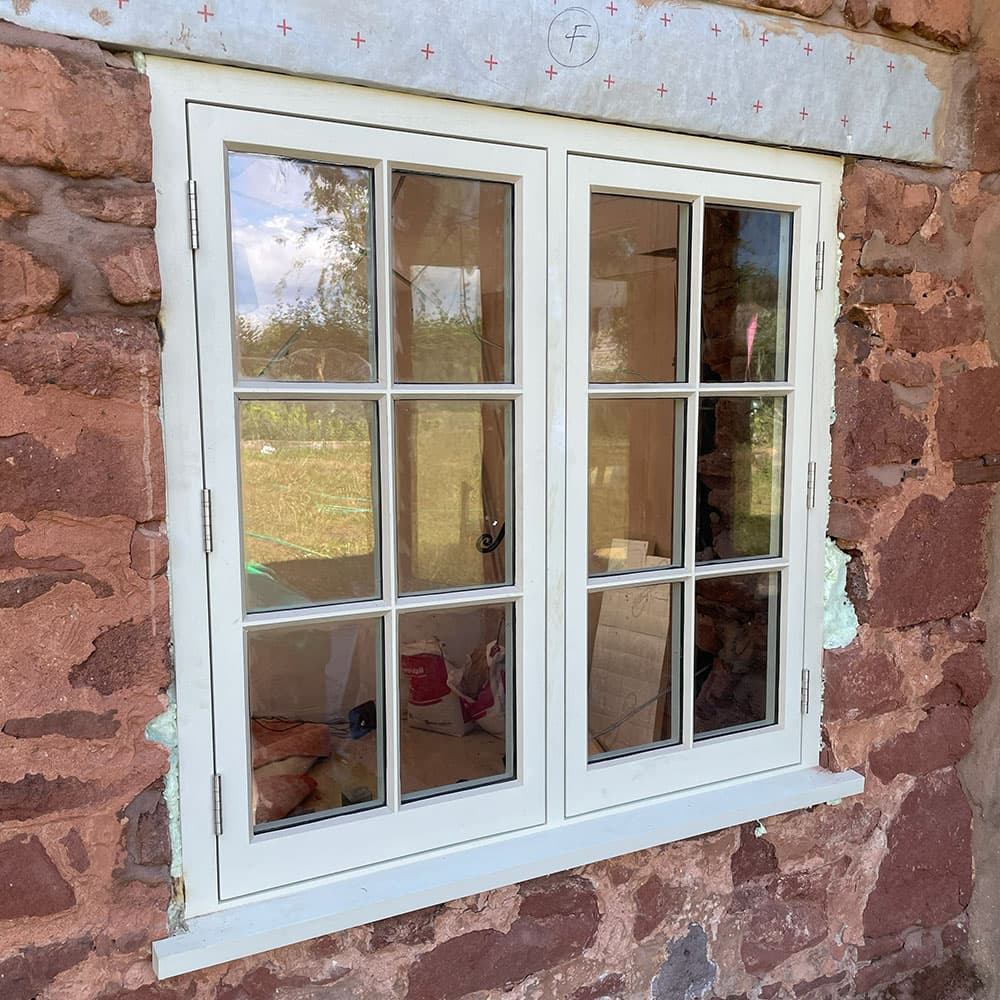
A casement window hinges, like a door. It swings outward on side or top hinges, held by a stay, secured by a fastener.
That single mechanical difference drives everything else: how they seal, what they cost, how they are maintained, and where they look right.
Which one belongs on your house
The honest answer is: whatever the house was built with.
Sash windows arrived in England in the late seventeenth century and dominated Georgian and Victorian building. If your home is a Georgian townhouse in Exeter, a Victorian terrace, or a nineteenth-century villa, it was almost certainly built with sashes, and the proportions of the façade were designed around them.
But Devon's building stock runs far older and far more varied. Thatched cottages, farmhouses, converted barns and anything predating the eighteenth century were built with casements, because that is what existed. On those buildings a sash window looks imported: too tall, too formal, wrong for the wall.
There is also a middle case worth naming: twentieth-century houses that had their original windows replaced with uPVC in the eighties and nineties. Here you are not restoring, you are correcting, and the question is genuinely open.
The test is simple. Look at the neighbours, specifically the ones that have not been altered. Look at any original windows left in less visible elevations. Look at old photographs if the house has them. The building will usually tell you.
Draughts, heat and the myth about sash windows
The most common thing we hear is that sash windows are draughty and casements are not.
It is half true, and the half that is true is fixable.
Old sash windows are often draughty because their brush seals have worn out, the sashes have dropped out of alignment, or the frame has moved. That is a maintenance state, not a property of the design. A well-made modern sash with proper draught stripping and double glazing performs to the same standard as a modern casement.
Where casements do have a genuine edge is the seal. A casement compresses against its frame when you close it: one continuous seal, pulled tight by the fastener. A sash slides, so it relies on brushes and pile seals along the sliding faces. Both work. The casement's is inherently simpler and stays effective longer with no attention.
So: if you want the best possible thermal performance and the house does not demand sashes, casements are the easier route. If the house wants sashes, a properly made sash will not leave you cold. What will leave you cold is a cheap sash, or an old one nobody has maintained.
What each costs to live with
Sash windows cost more. More timber, more joints, a boxed frame, a counterbalance mechanism, and considerably more setting-out. Expect a meaningful premium over a casement of the same size and specification.
They also ask more of you over time. Cords stretch and eventually break. Sliding faces need to stay clean and lubricated. Repainting means painting surfaces that move against each other, which needs care to avoid sticking.
Casements are simpler. Hinges and a stay, and the moving part swings clear of everything. Maintenance is essentially painting and occasionally adjusting a hinge.
None of which is an argument against sashes. It is an argument for buying good ones. A well-made sash in a durable timber will outlast a cheap casement by decades. The premium buys you a window that is still working in fifty years, which is the only cost comparison that ends up mattering.
Conservation areas and listed buildings
If your home is listed or sits in a conservation area, the choice may already be made for you.
Listed buildings need listed building consent for window replacement, and the conservation officer will normally expect like-for-like: same type, same materials, same sightlines, often the same glazing bar arrangement. Slim-profile double glazing is frequently acceptable now, but that is a conversation to have before you order, not after.
Conservation area rules are looser: they usually bite on elevations facing a public road, and permitted development rights may have been withdrawn by an Article 4 direction. Devon has a lot of conservation area coverage, and the rules vary between authorities.
Ring your local planning department before you commit to anything. Five minutes on the phone is cheaper than a window you have to take out again.
How to decide
Work through it in this order:
- Is the property listed, or in a conservation area? If yes, start with the conservation officer. Their answer may end the discussion.
- What did the house have originally? Match it unless there is a strong reason not to.
- If the house genuinely does not care (a later property, or one already altered beyond recognition), then choose on performance and budget. Casements are cheaper, seal slightly better and ask less of you.
- Whatever you choose, buy well. The gap between a good window and a cheap one is far wider than the gap between the two types.
We make both, in our workshop near Exeter, to suit the building rather than a catalogue: sash, casement, stormproof, pivot and sliding, in softwood, oak or Accoya. If you are weighing this up for a particular house, send us a photograph of the elevation and we will tell you honestly what we think it wants.